











Challenge
Static & Digital Billboards
Reach drivers and commuters with bold, readable messages across high-traffic outdoor locations.
Our approach
We match formats, locations, and creativity to the audience moving through each area.
Mon - Fri: 9:00 AM - 6:00 PM


We build smarter digital solutions that simplify operations, connect systems, improve customer experiences, and help your business grow with confidence.
Offline Advertising
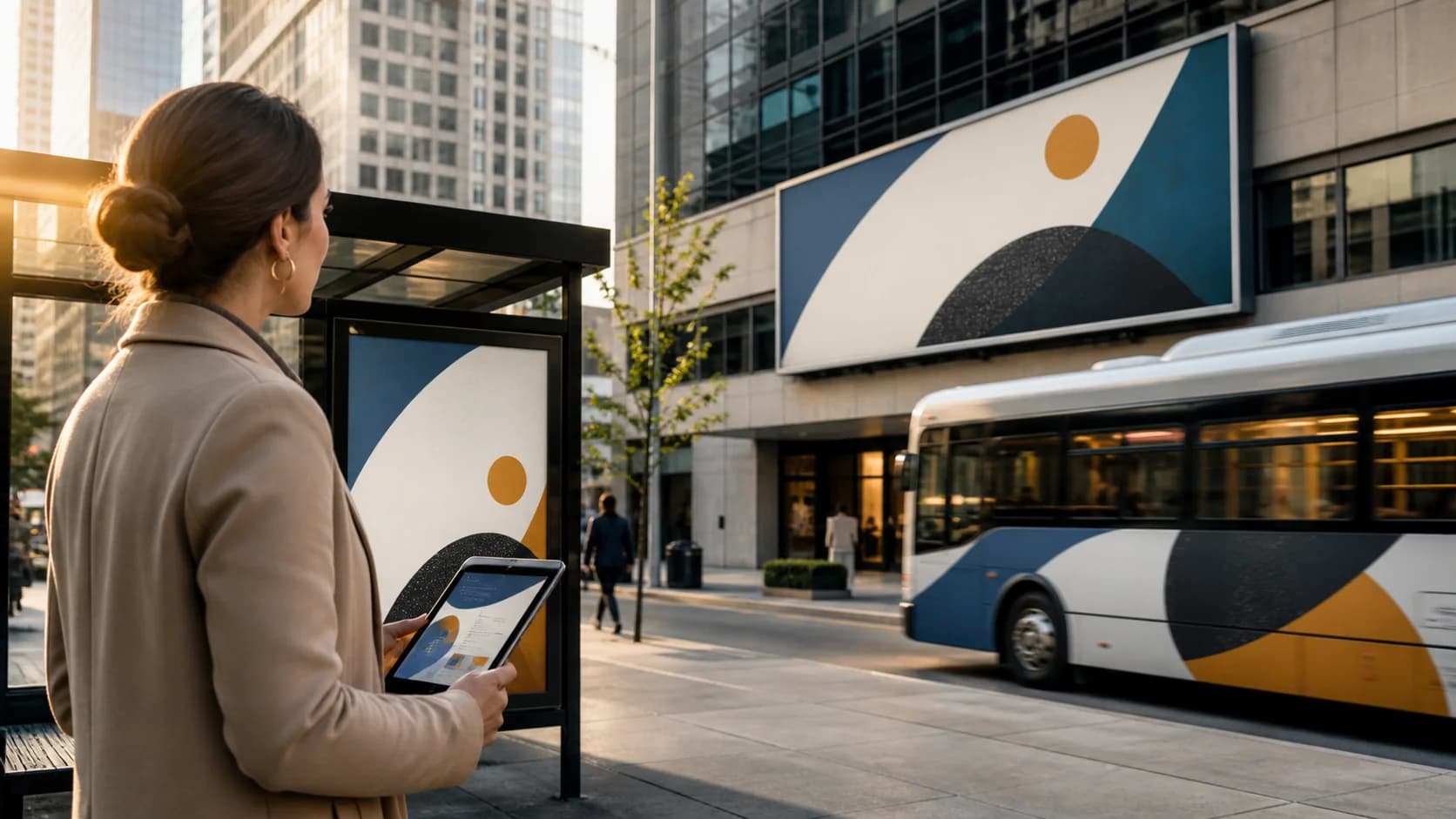
Reach daily commuters with high-visibility outdoor placements, planned around busy routes, key transit points, and the moments when people are most likely to notice your brand.
Location Meets Creative
Put Your Message in Front of Millions on the Move
Outdoor advertising has seconds to make an impression. We keep every message clear, easy to read, and strong enough to work while people are moving.
Our billboard advertising agency plans creative, placement, and timing together, so your transit advertising stays consistent across roads, stations, airports, and city networks.
Placement Challenges
Challenge
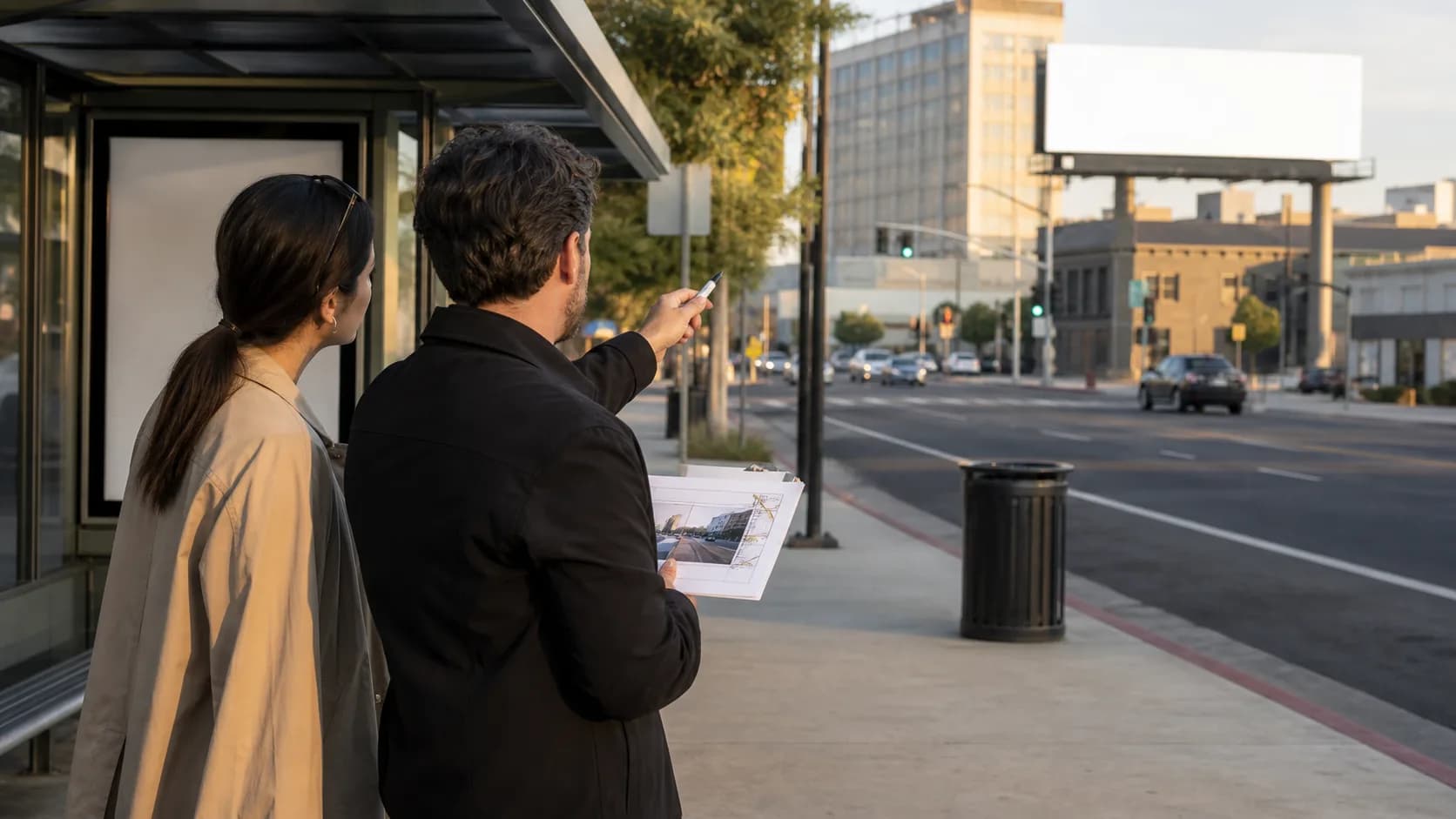
Reach drivers and commuters with bold, readable messages across high-traffic outdoor locations.
Our approach
We match formats, locations, and creativity to the audience moving through each area.
Challenge
Put your brand in motion with visible messaging across buses, routes, and busy city streets
Our approach
We plan routes and placements to keep your campaign visible throughout the day.
Challenge
Build repeated visibility where commuters wait, walk, and pass through every day.
Our approach
We use station locations and commuter patterns to place messages where they matter.
Challenge
Stay visible across terminals, arrivals, departures, and high-value travel touchpoints.
Our approach
We connect airport placements with the right audience, message, and campaign goal.
Core Capabilities
Plan placements around busy routes, commuter flow, and audience movement.
Create clear, durable outdoor creative made for distance and daily visibility.
Schedule digital placements around peak travel times and audience activity.
Coordinate vehicle placements, routes, timing, and creative changes smoothly.
Keep every placement aligned with local rules, formats, and campaign requirements.
Connect outdoor exposure with digital follow-up based on location and audience signals.
Why This Approach
Placed across busy routes and transit points to build repeated daily visibility.
Connected outdoor exposure with digital follow-up to support stronger local interest.
Reached travelers across high-traffic airport locations during key travel moments.
Coordinated placement details closely so creative appeared where and when planned.
Our Process
Identify where your audience travels, waits, shops, and spends time each day.
Secure the right outdoor and transit spaces across priority locations and routes.
Adapt creative for each format while keeping the message clear and consistent.
Prepare production-ready artwork and manage printing, delivery, and installation.
Check live placements regularly and keep campaigns accurate from launch through completion
Outdoor & Transit FAQs
Pricing depends on location visibility, route traffic volume (DEC metrics), ad format size, and campaign duration.
For Digital Outdoor/DOOH media, creative can be updated instantly. For static vinyl wraps, printing and re-installation fees apply.
We utilize UV-resistant, weather-tested vinyl materials and conduct routine maintenance inspections throughout the campaign duration.
Plan the Public Presence
Get outdoor media planned around the places your audience already travels, waits, and looks every day, with clear execution from start to finish.