









Manual dispatch
Dispatchers had to assign service jobs manually without one shared view of technician schedules and work orders.
Mon - Fri: 9:00 AM - 6:00 PM EST


We build smarter digital solutions that simplify operations, connect systems, improve customer experiences, and help your business grow with confidence.
Case Study
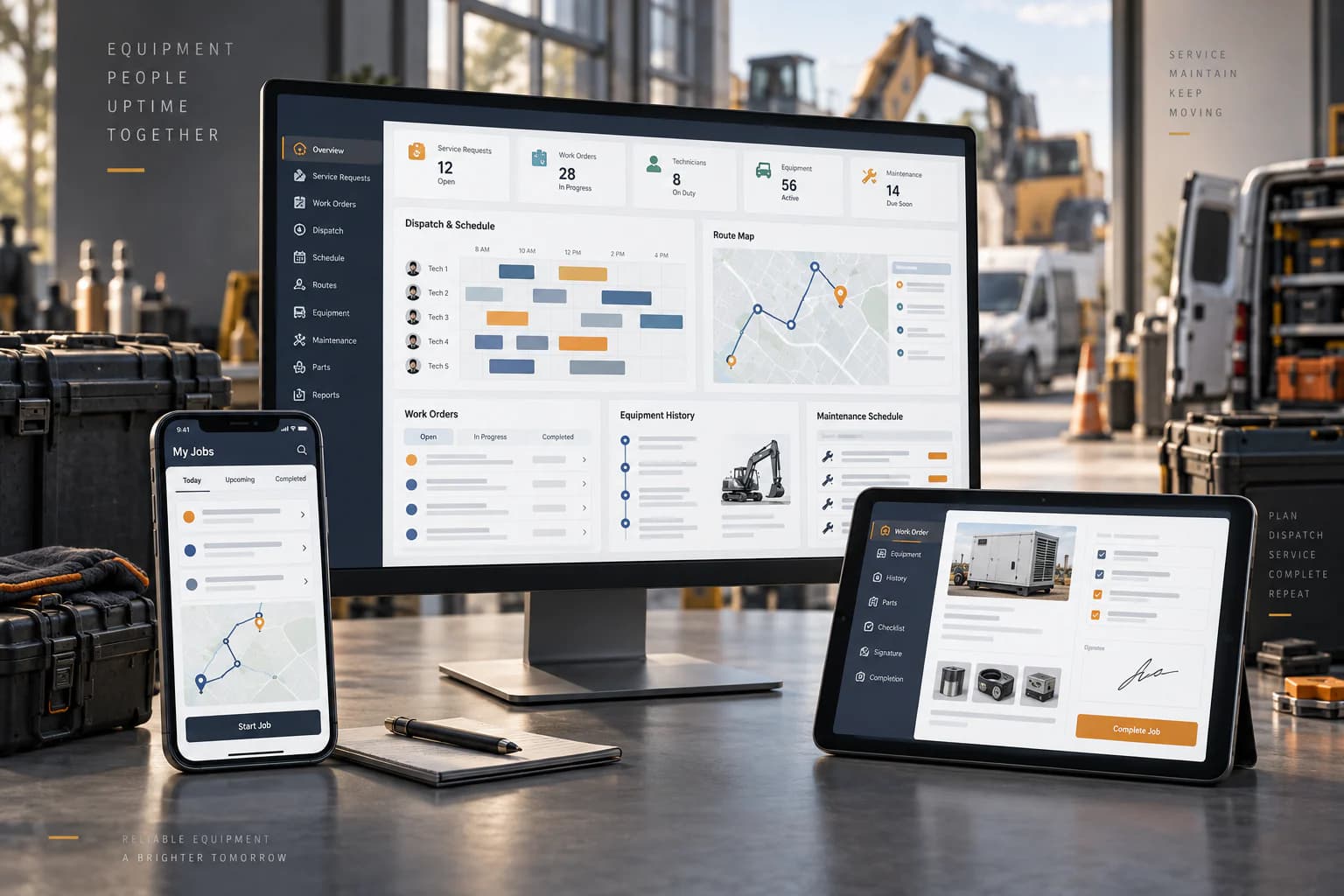
A connected field service platform that helps businesses manage service requests, work orders, technician schedules, equipment history, maintenance contracts, and field updates in one place.
The Challenge
Service requests were coming through calls and emails, while spreadsheets were used to manage technician assignments. This made it difficult to track job status, technician availability, equipment history, and recurring maintenance visits.
Dispatchers had to assign service jobs manually without one shared view of technician schedules and work orders.
Managers had limited visibility into pending jobs, technician availability, and daily workloads.
Recurring maintenance visits were difficult to track, increasing the risk of missed service commitments.
The Solution
Justo built a field service management software platform that brings service requests, work orders, technician schedules, equipment records, recurring maintenance, and mobile updates into one workflow.
Service requests could be logged, assigned to technicians, and tracked from start to completion.
Managers could view technician availability, daily workloads, job locations, and pending service requests.
Equipment records, previous repairs, warranties, and maintenance contracts could be managed together.
Technicians could update jobs from the field with notes, photos, signatures, and service reports.
How We Built It
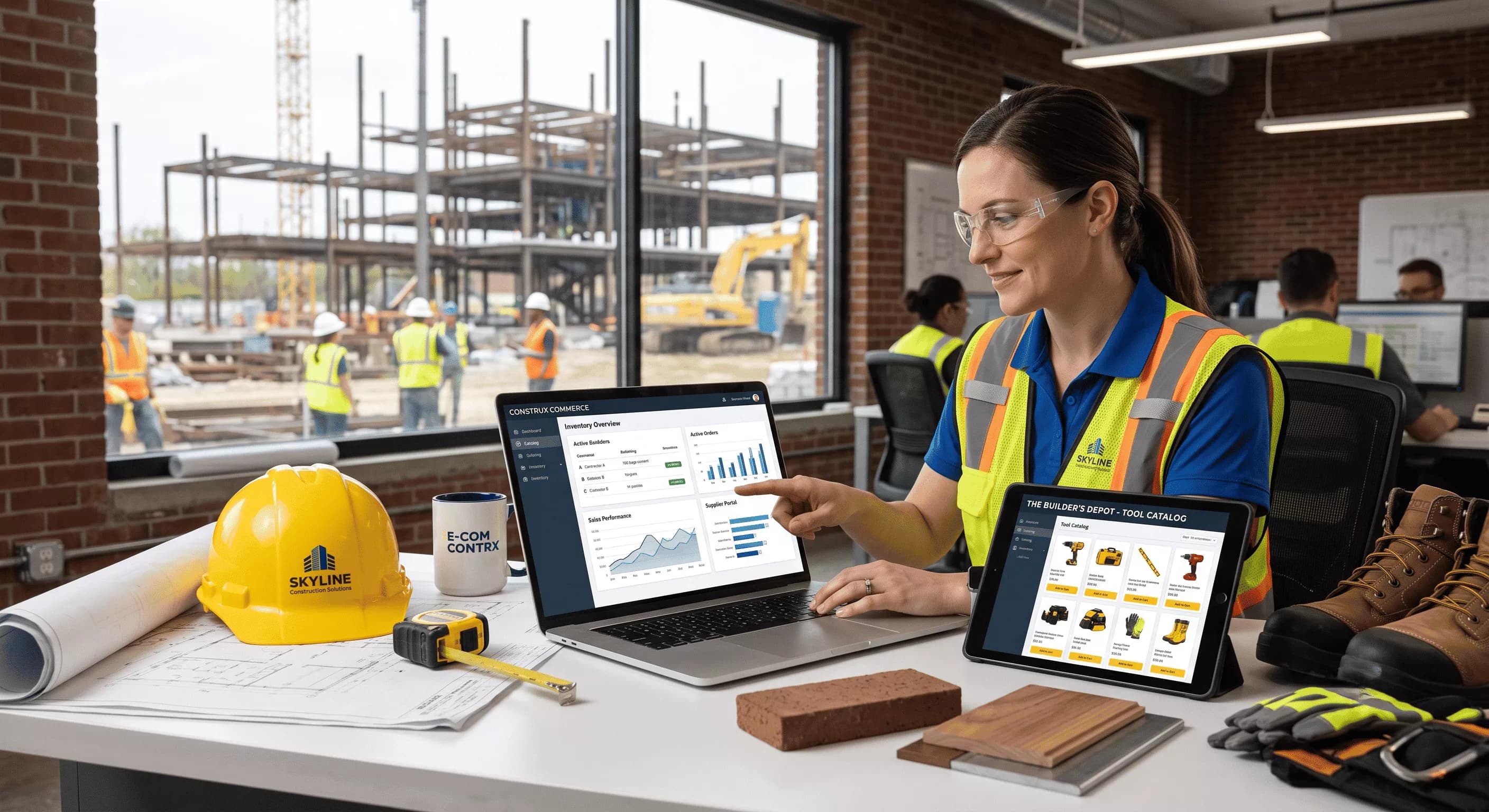
The platform connects each service request with its work order, assigned technician, equipment, maintenance history, and service requirements. This gives teams a clear view of each job from request to completion.
The field service management software was designed around two key workflows: helping managers plan and assign work, and helping technicians complete and update jobs from the field.
technology stack
Explore the frameworks, tools, and databases that power this system, from the user interface to backend services and data management.
Fits technician work-order and field-update screens.
Can coordinate dispatch, maintenance, and job completion.
Fits equipment history, warranties, contracts, and work orders.
Can share work-order types across mobile and server code.
Can support technician routes and service locations.
The Results
The platform gave the business a single place to manage technician schedules, service jobs, equipment history, and recurring maintenance commitments.
What changed
Start a Conversation
Bring service requests, technicians, work orders, equipment history, and recurring maintenance into one connected workflow.
More Work
Explore more ways strategy and technology can solve practical business challenges.
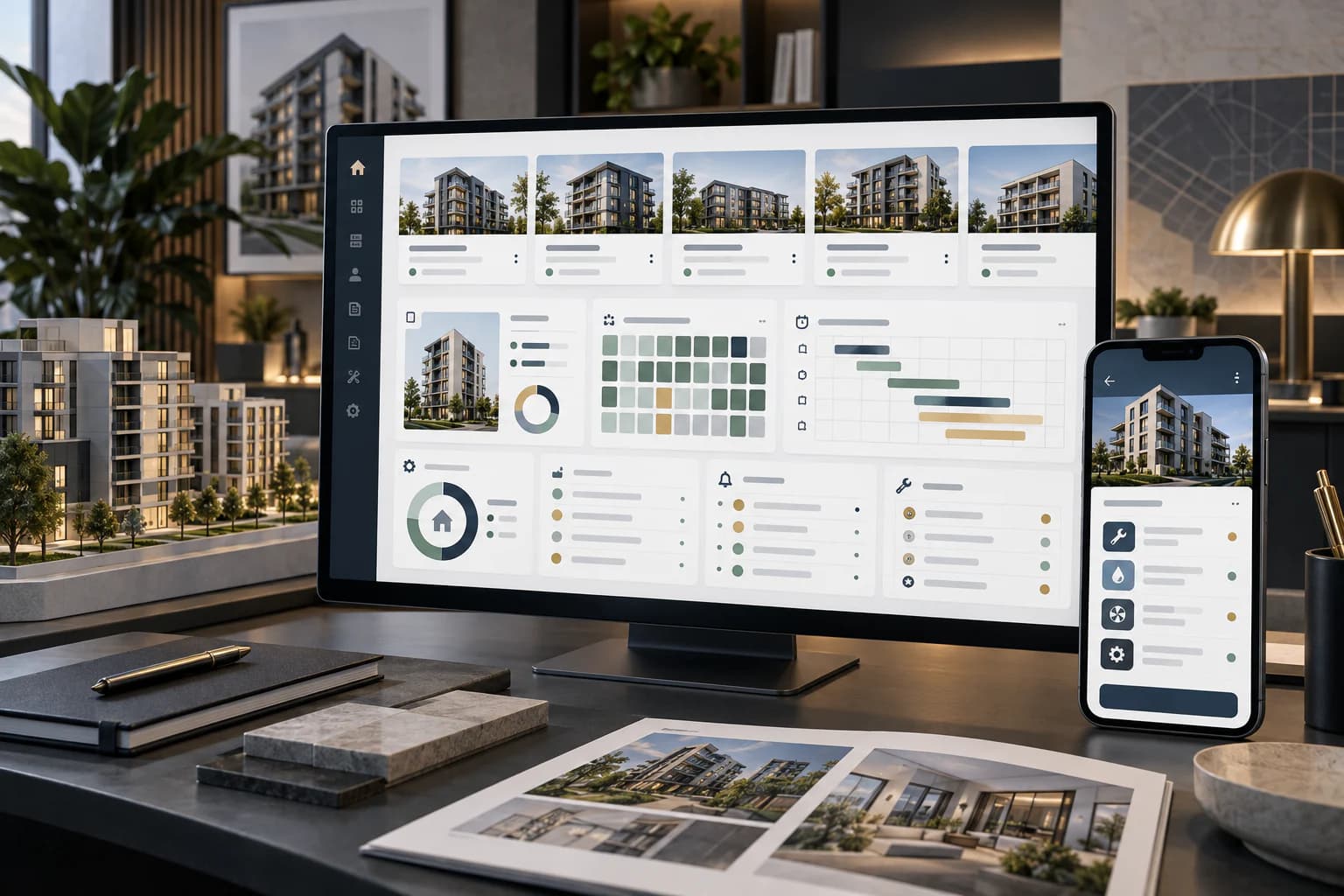
Real Estate / Property Management
How a regional property manager consolidated lease administration, rent tracking, and maintenance requests across residential and commercial properties.
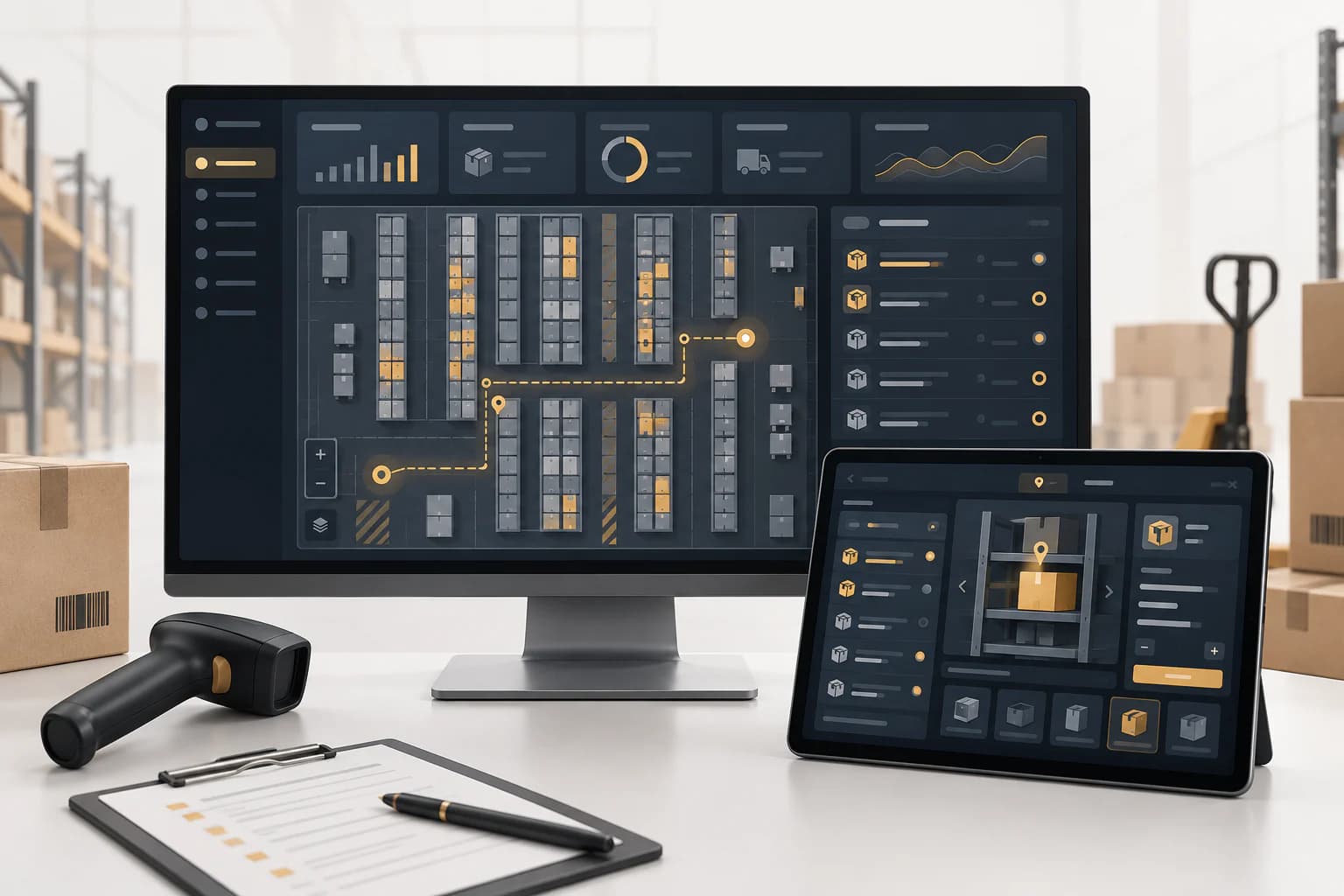
Logistics / E-commerce
How a UK fulfillment provider coordinated multichannel inventory and optimized picking routes at 6,000+ units per day.
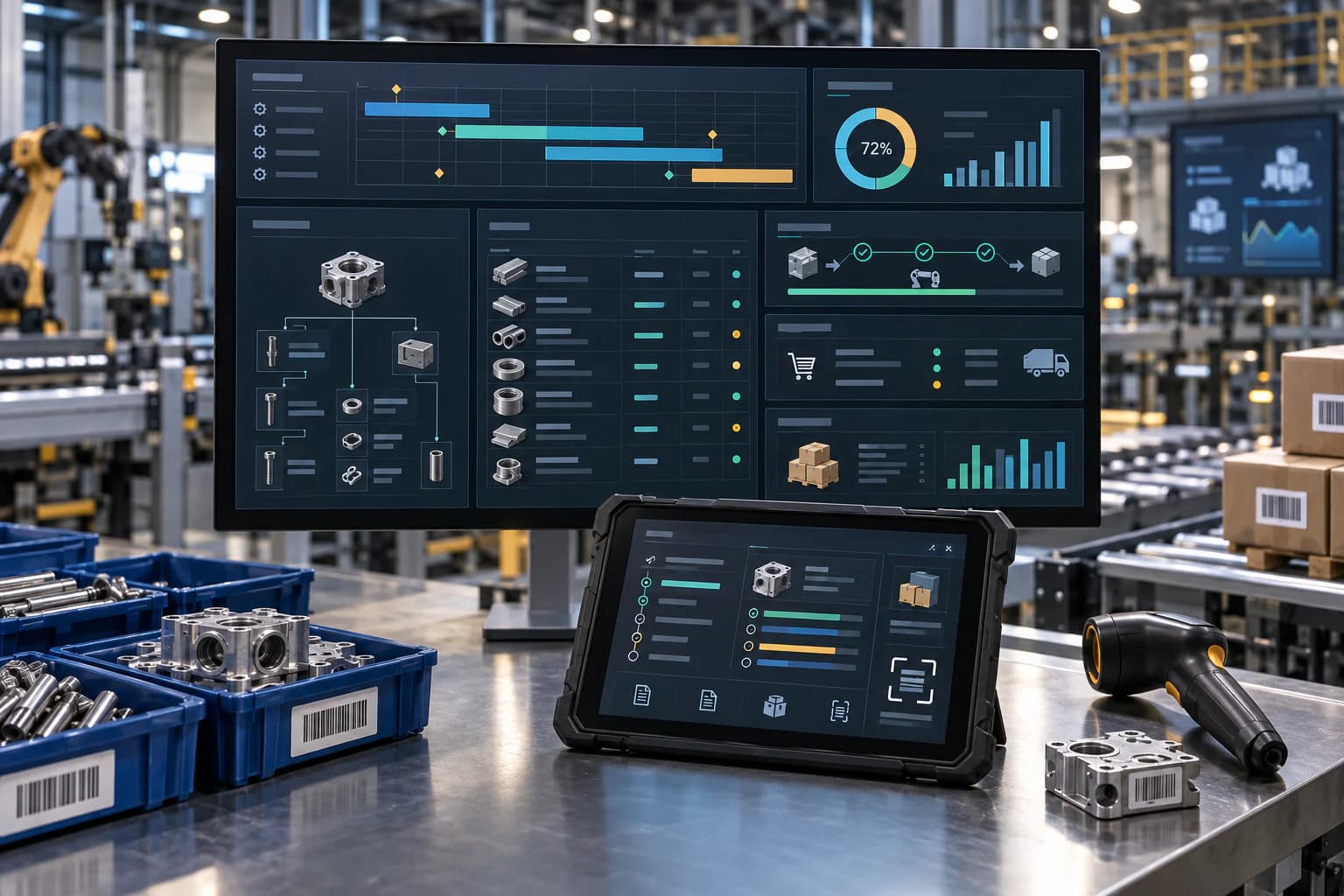
Manufacturing
How a consumer-goods manufacturer replaced spreadsheet and register-based production planning with connected inventory operations.
