Mon - Fri: 9:00 AM - 6:00 PM

Mon - Fri: 9:00 AM - 6:00 PM

We build smarter digital solutions that simplify operations, connect systems, improve customer experiences, and help your business grow with confidence.
Custom Software
Our CMS website development approach helps you build a content system around specialized relationships, approval steps, and content rules, giving your team a clearer way to create and maintain information.

Our Approach
Define content types, relationships, versions, and rules before building the CMS.
Create simple editing workflows, review steps, permissions, and navigation around real team needs.
Build practical tools and test them with the people who will manage your content.
Where It Fits

Manage structured content and editorial workflows across teams, channels, and publishing systems.

Organize courses, resources, programs, and related content with clear publishing workflows.
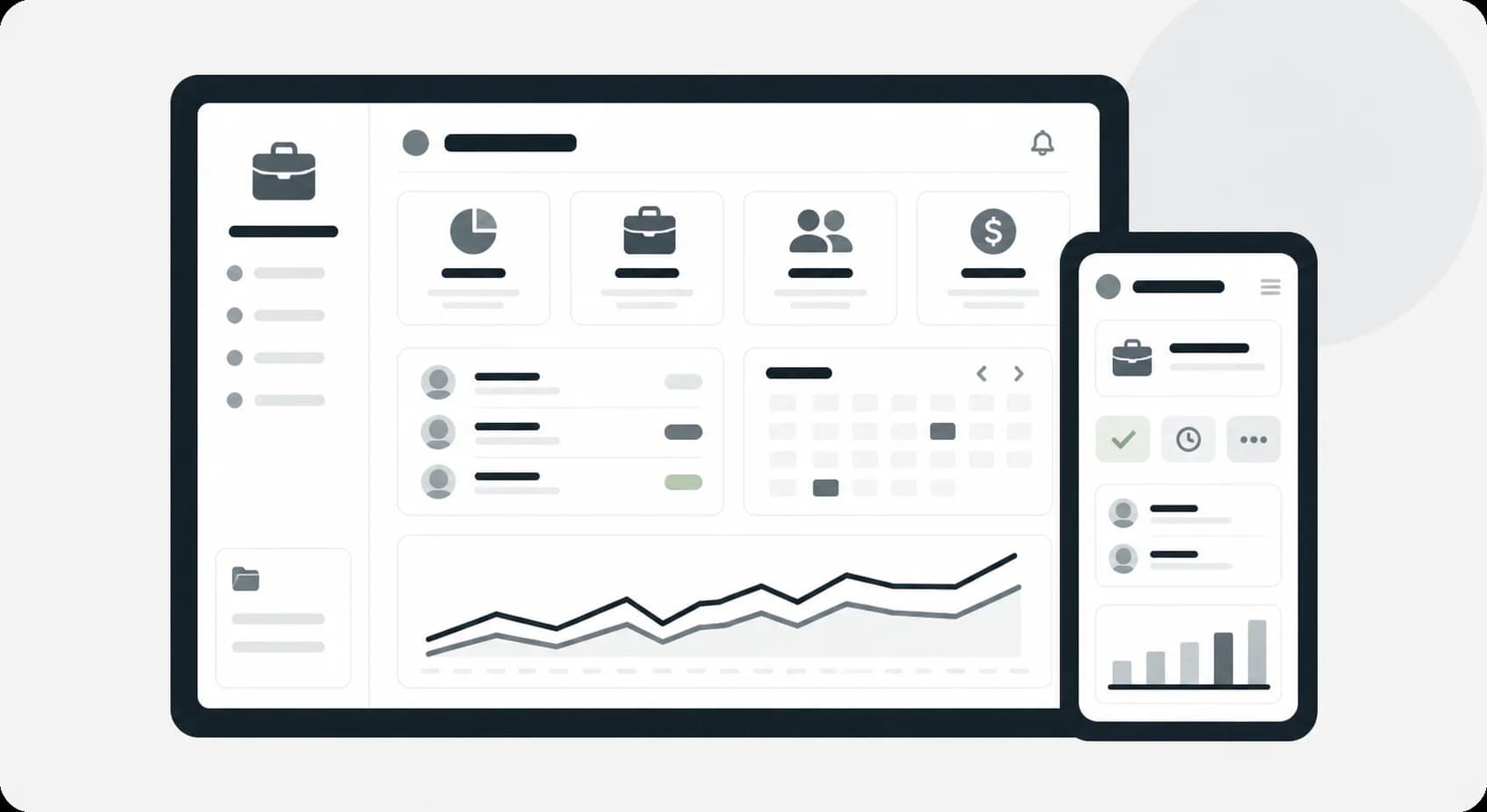
Manage shared content across departments with structured records, permissions, and approval workflows.
What We Help With
Represent operational information without squeezing it into generic pages.
Give people the access and review steps their responsibilities require.
Provide approved information to applications, portals, or other destinations.
Technology

Define records, relationships, and validation rules.

Limit editing and approval actions by responsibility.

Support review states and controlled publication.

Make approved records available to dependent applications.
Explore More


Frequently Asked Questions
Only when the required data relationships, workflows, or integrations justify the cost of building and maintaining a dedicated system.
Yes, if the content model and delivery interfaces are designed for those destinations. We define them during discovery rather than assuming every channel has the same needs.
Start a Conversation
Show us the records and approval steps your current tools cannot manage comfortably.